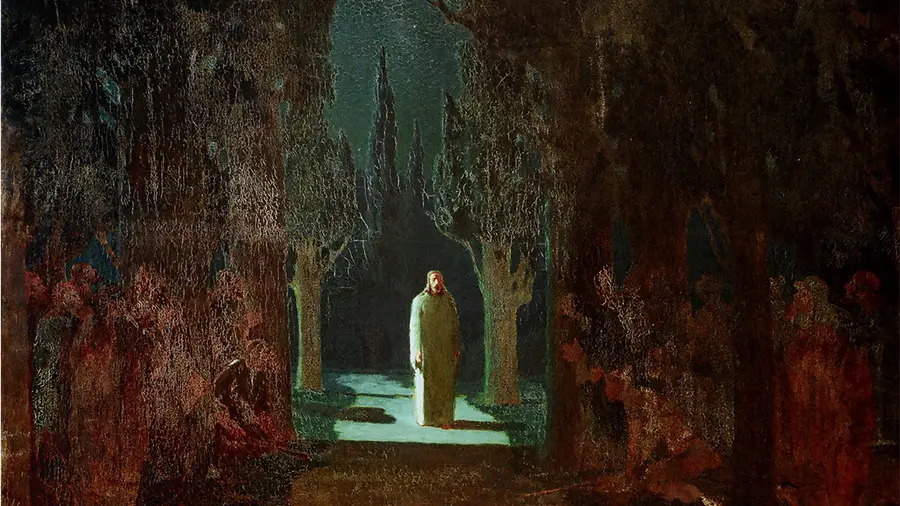
I am the good shepherd. The good shepherd lays down his life for the sheep. (John 10:11).
These words are not decoration for a difficult day. They are truth that rearranges the heart. This reflection on “I Am the Good Shepherd” sits with shepherd—love that dies to keep the flock—and asks what it means to believe God when the verse is easier to quote than to live.
Hear the verse again
Slow down with John 10:11. Read it aloud if you can. Notice what God reveals about Himself before you rush to what it asks of you.
Scripture is never merely advice. It is the living God addressing His people. When He speaks about shepherd, He is not offering a tip for self-improvement; He is unveiling His character and inviting trust.
“I am the good shepherd. The good shepherd lays down his life for the sheep.” — John 10:11
Why this matters now
Many of us carry quiet exhaustion: unfinished prayers, lingering shame, hope deferred, relationships that bruise. Into that weariness, God does not send a slogan. He sends a Word.
The focus of this passage is clear: love that dies to keep the flock. That is not small comfort. It is the difference between coping and being held.
If your faith has felt thin, do not despise the day of small things. God often meets us first in honesty—naming the need, then answering it with Himself.
What the Word teaches
A shepherd does not outsource the flock. He knows names, notices limps, and walks ahead into danger. That is the shape of Christ’s care.
- God speaks first. Grace precedes our response. We do not climb into this truth; it descends to us.
- Faith receives before it performs. Obedience grows from trust, not from panic.
- The promise has a Person. Behind every command and comfort stands Christ—faithful when we are frail.
Hold these together. If you isolate duty from delight, Christianity becomes grinding. If you isolate comfort from calling, it becomes sentimental. John 10:11 keeps both near.
Living this on ordinary days
Begin simply.
- Return to the text when anxiety rises. Let John 10:11 interrupt the spiral.
- Pray the verse back to God. Turn the promise into conversation: “Lord, You said… help me believe You here.”
- Practice one concrete act that matches the teaching—mercy given, worry released, truth spoken gently, rest taken without guilt.
- Stay near the church. Isolated faith withers; shared faith remembers.
Holiness is rarely dramatic. It is often the quiet choice to trust God with the next faithful step toward love that dies to keep the flock.
A word for the wounded and the wandering
If you feel far, hear this: the Shepherd still seeks. If you feel stained, hear this: the blood of Christ still cleanses. If you feel forgotten, hear this: His eye is on His people.
The gospel does not ask you to pretend strength. It invites you to bring weakness to a strong Savior. That is the beauty of shepherd in John 10:11—not a demand shouted from a distance, but mercy that draws near.
Christ at the center
Every line of Scripture ultimately leads to Jesus. He is the Yes and Amen of God’s promises (2 Corinthians 1:20). Where the law exposes need, Christ provides righteousness. Where the prophets announce hope, Christ embodies it. Where the psalms cry out, Christ joins the cry and answers it at the cross and empty tomb.
So do not read John 10:11 as a ladder. Read it as a window into the heart of God revealed in His Son—the One who makes “I Am the Good Shepherd” more than a headline.
A closing prayer
Father, thank You for speaking through Your Word. Teach us shepherd as You intend it—not as we reshape it. Give us soft hearts, clear eyes, and steady feet. Where we have leaned on our own understanding, turn us. Where we have grown cold, kindle love again. Fix our hope on Christ, in whom every promise is sure. Amen.
Take this with you: love that dies to keep the flock. Return to John 10:11 until the words feel less like a title and more like home.
Comments
No comments yet. Be the first to share a kind word.